★★★★★★★★★★★
Hey there!
Welcome to our shop!
We love sharing awesome goodies from Japan with the world
– from top-quality beauty & skincare products, fun daily items, to cool toys and anime merch✨
We’ve already shipped happily to customers in Russia, UK, Georgia,
Moldova, Ukraine, Czech Republic, Slovakia, Switzerland, Portugal,
Belgium, Austria, France, Netherlands, Greece, Sweden, Hungary,
Kazakhstan, Romania, Norway… and many more!
Wherever you are, we’re ready to send a bit of Japan straight to your door.
💌 Why shop with us?
100% authentic Japanese products✨️
Fast international shipping & careful packing.
Friendly English support – just message us anytime!
Bring a slice of Japan into your home.
Enjoy browsing and have fun shopping with us!
★★★★★★★★★★★
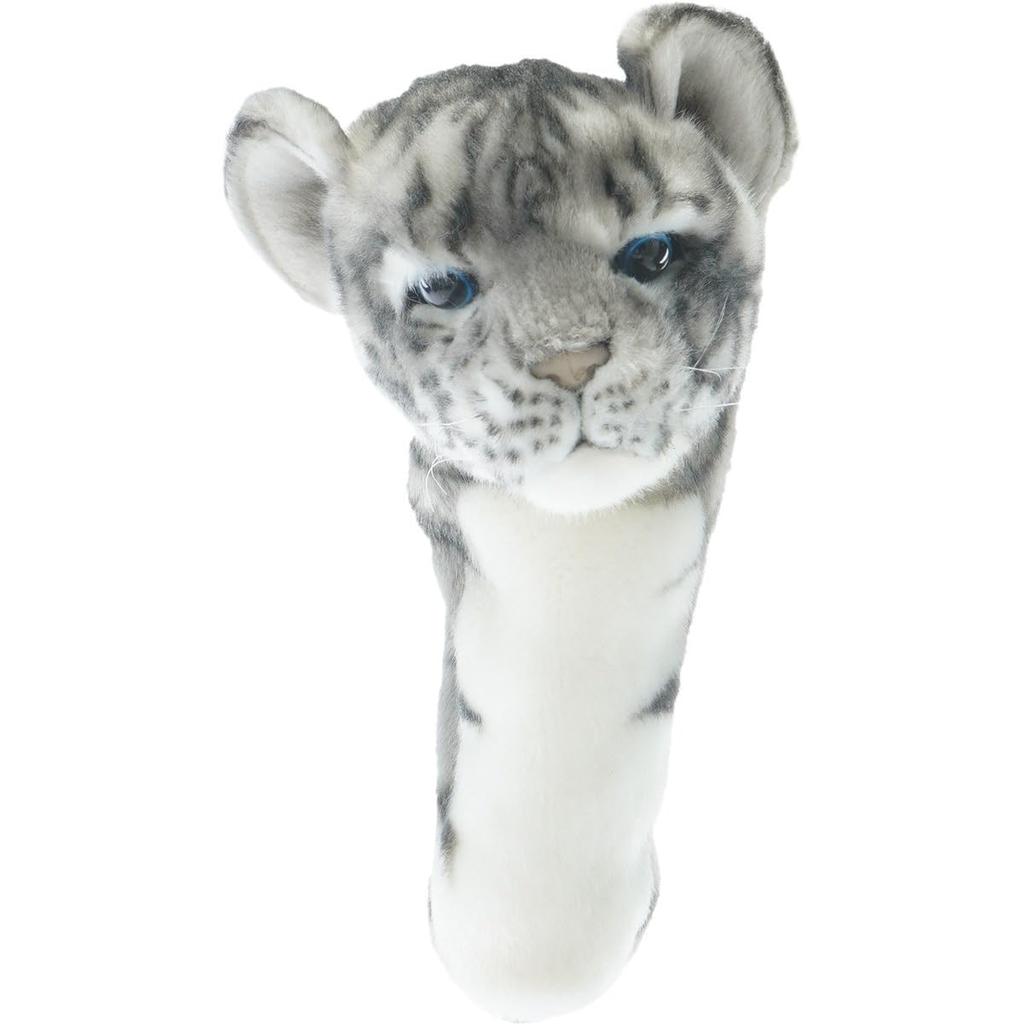
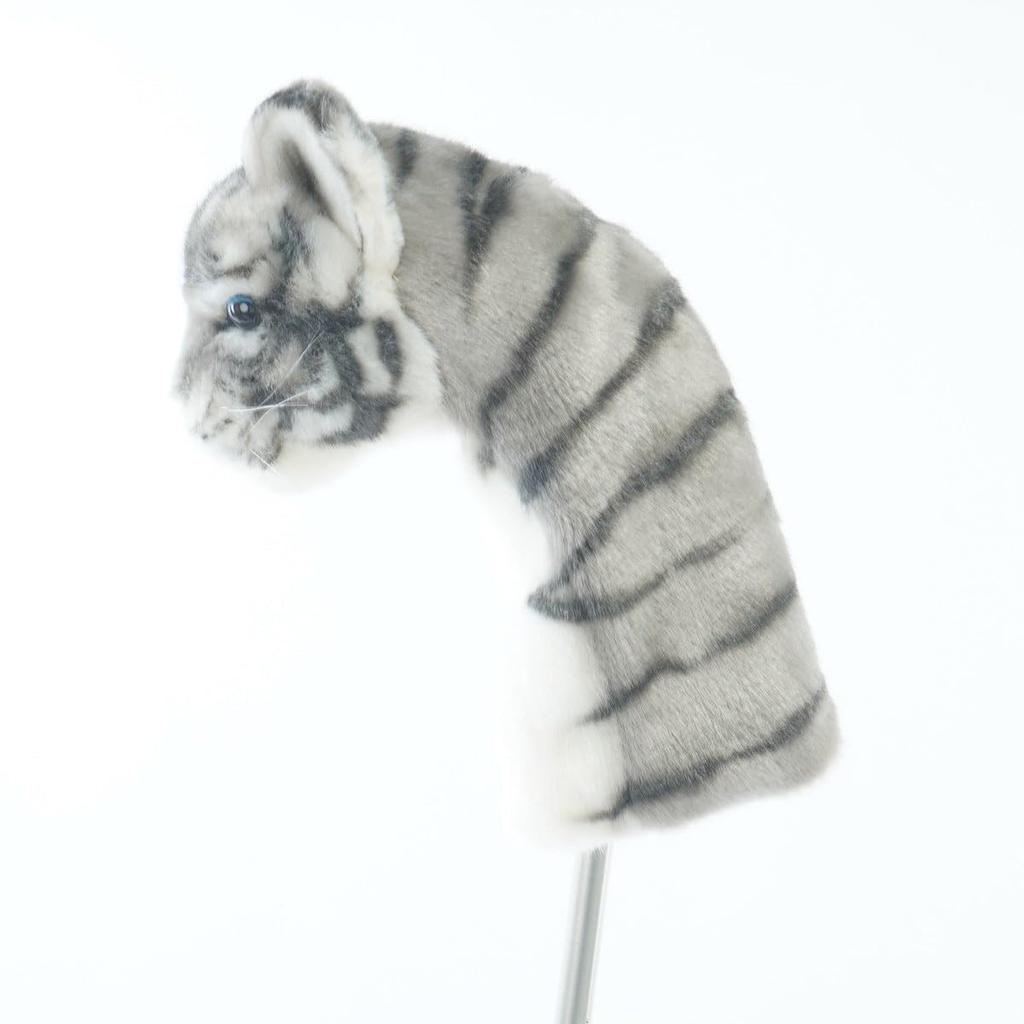
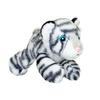
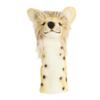
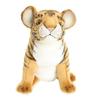
Product Type: Realistic Animal Golf Headcover
Animal: Tiger Black Cub
[About HANSA] Founded in Australia in 1972, HANSA has researched a variety of creatures, primarily animals, living on Earth, and produced plush toys that are realistically reproduced down to the smallest detail. To ensure that all HANSA products meet the required quality standards, they are manufactured in their own 12,000-square-meter factory in the Philippines, without the use of subcontractors. They collaborate with museums, environmental conservation groups, and educational institutions to communicate the importance of protecting the world's animals and the environment.
[What kind of stuffed animals are HANSA?] HANSA stuffed animals are produced using advanced technology to recreate animals that live on Earth, from familiar pets, familiar animals kept in zoos, endemic species, ancient dinosaurs and extinct species, and fantasy creatures. They range from palm-sized animals to life-size stuffed animals like a 4.8m giraffe. They have contracts with international testing organizations, and issue inspection certificates for each product.
[Why realistic stuffed animals?] The reason HANSA continues to make realistic stuffed animals is because of our philosophy of environmental conservation, which is to help the next generation of children understand not only what animals distributed around the world look like and what their ecology is, but also the fact that the impacts of human beings, such as deforestation and environmental pollution, are taking away animals' habitats.