Vietne neatbalsta jūsu pārlūkprogrammu. Lūdzu, atjauniniet pārlūkprogrammu vai lejupielādējiet citu
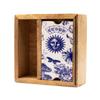
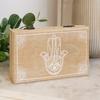
Four Section Tarot Box with Card Holder
Pašreizējā cena
Cena 89 €PVN un nodevas iekļautas
Ielāde...
Ielāde...
Ielāde...
Ielāde...
Ielāde...
Ielāde...
Ielāde...
Ielāde...
Ielāde...
Ielāde...
Ielāde...
Ielāde...
Ielāde...
Ielāde...
Ielāde...

Piegāde visā 🇦🇹 Austrijā
0 \darba dienu · 5 €

Tavas maksājumi un privātums ir droši


Garantijas un atmaksas


Nedēļot atgriešanu
Droša loģistika
Kvalitātes garantija
Privātuma aizsardzība

Preces nodrošināšana

Drošība un atbilstība

Ziņot par problēmu


Līdzīgas preces













Bieži uzdotie jautājumi
- Kādi maksājumu veidi ir pieejami Ayzeze?Ayzeze atbalsta plašu vietējo un starptautisko maksājumu veidu klāstu Eiropas pircējiem, tostarp debetkartes un kredītkartes (Visa, Mastercard, Maestro), PayPal, Apple Pay un Google Pay, kā arī valsts specifiskas iespējas, piemēram, Klarna, BLIK, Multibanco, MB WAY, SEPA un Giropay. Pieejamās iespējas tiek rādītas norēķinu brīdī un atšķiras atkarībā no valsts.
- Vai es varu maksāt par dārgu pirkumu pa daļām vai vēlāk?Jā, pakalpojumi, kas ļauj pirkt tagad, maksāt vēlāk, piemēram, Klarna un Scalapay ir pieejami dažiem lielāku pirkumu gadījumiem, atkarībā no jūsu valsts, pasūtījuma summas un pakalpojumu sniedzēja noteikumiem.
- Vai es varu sekot pasūtījumam?Jā. Jūs varat sekot piegādes statusam Ayzeze lietotnē vai mājaslapā, kā pakete tiek pārvietota.
- Kas notiek, ja mans pasūtījums nenonāk?Katrs pasūtījums ir segts ar Ayzeze piegādes garantiju. Ja jūsu pasūtījums nav ieradies līdz garantētajam datumam, kas norādīts jūsu pasūtījuma detaļās, sazinieties ar Ayzeze atbalstu, un mēs izsniegsim pilnu atmaksu.
- Vai ir droši maksāt Ayzeze?Jā. Ayzeze izmanto drošu maksājumu sistēmu, un pārdevējs netiek apmaksāts, līdz jūs esat saņēmis savu pasūtījumu, kas pievieno papildu aizsardzības slāni pirkumam.
- Kas notiek, ja mans pasūtījums nenonāk pie manis vai produkts nav tāds, kā gaidīts?Ja jūsu pasūtījums netika piegādāts, ieradās bojāts vai neatbilst aprakstam, sazinieties ar Ayzeze atbalstu — šādos gadījumos var tikt izsniegta pilna naudas atgriešana.
- Kā es varu pieprasīt naudas atgriešanu?Atveriet atbilstošo pasūtījuma lapu un sazinieties ar Atbalsta tērzētavu, kas ir pieejama mājaslapā un Ayzeze lietotnē. Aprakstiet problēmu un sekojiet atbalsta norādījumiem.