----------------------------------------------------------------------
【Cautions for using electrical products】
When using electrical appliances, please note that the voltage is different from that of Japan, which may cause malfunctions.
Since the plug type is Japan type(A or B type), please check the voltage and use a transformer.
Please note that a transformer is different from a conversion adapter.
We are not responsible for malfunctions caused by use without a transformer.
【Voltage Compatibility】
When using electrical appliances, please note that they are designed for Japanese voltage specifications (90-110V), so if you use them with a different voltage, it may cause a malfunction.
【Plug Type】
Our products use Japanese plug types (A or B type).
Please use a conversion adapter if necessary.
【Important Note on Transformers and Adapters】
A transformer adjusts voltage to match your device’s requirements.
A conversion adapter only changes the plug shape and does not adjust voltage.
Using only a conversion adapter without a transformer may result in damage to the product.
【Liability】
We are not responsible for malfunctions or damages caused by improper use, such as operating the product without a transformer.
----------------------------------------------------------------------
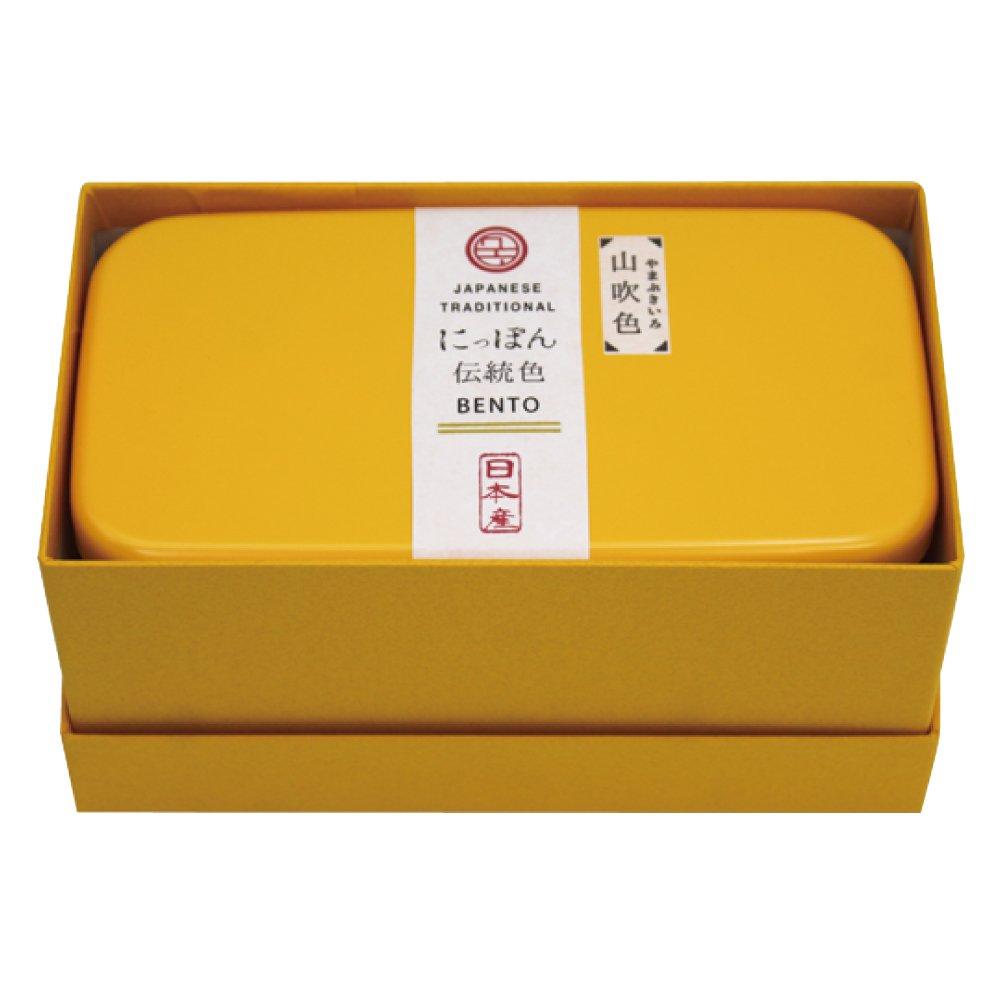
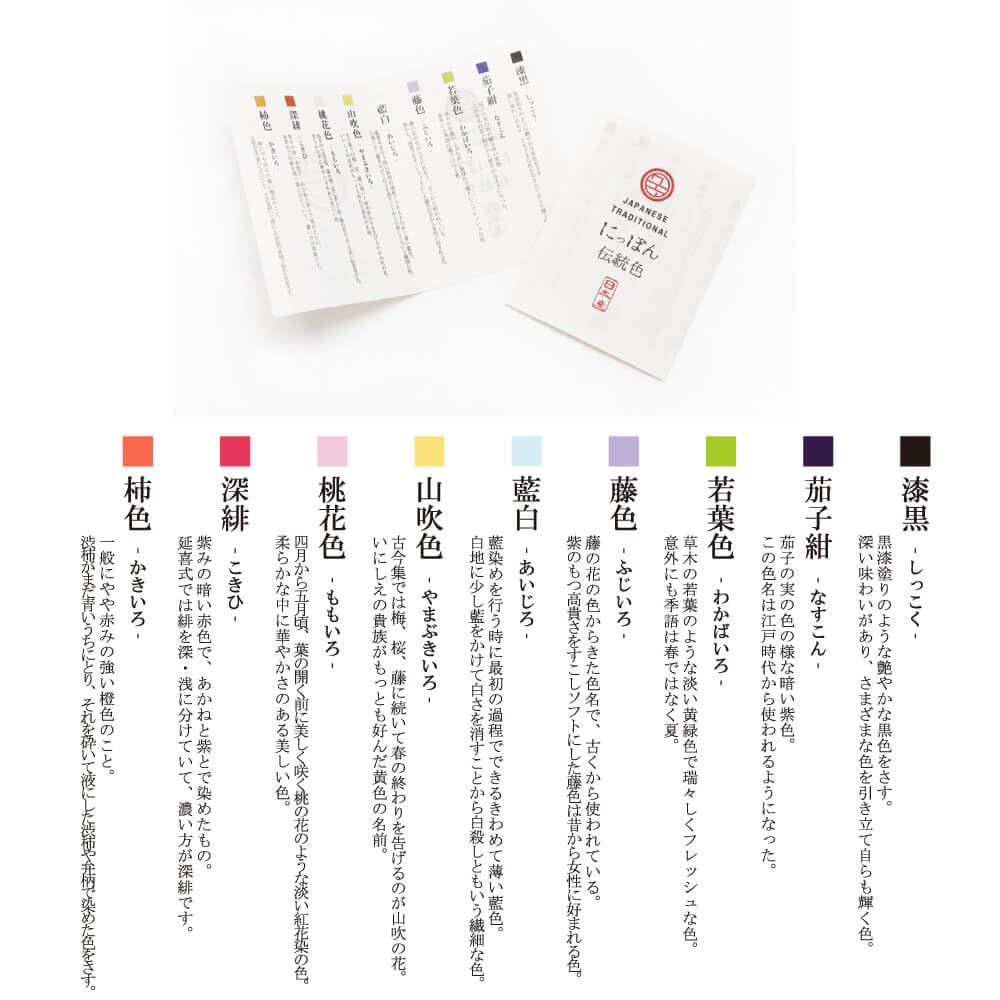
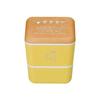
[Yellow Yamabuki] In the Kokinshu, the yellow Yamabuki flower signals the end of spring, following the plum blossoms, cherry blossoms, and wisteria. It is the name of the yellow color most favored by ancient aristocrats.
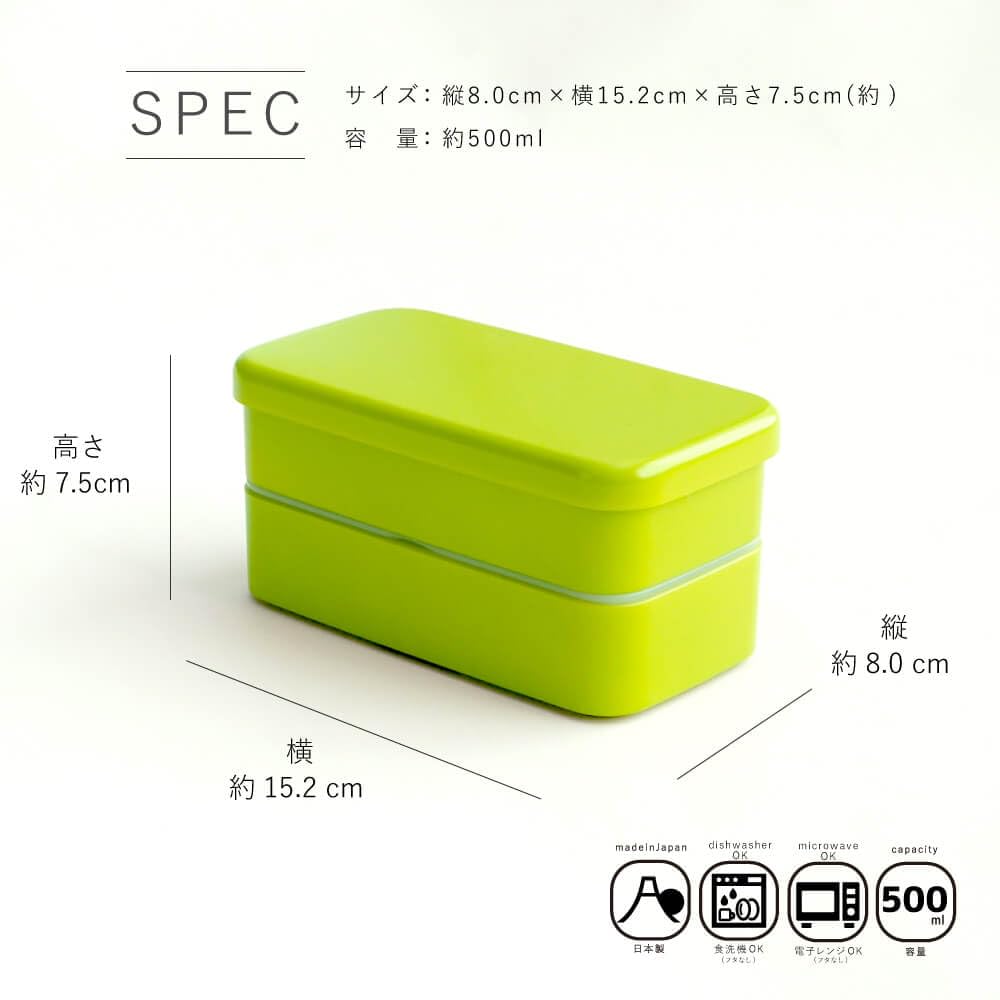
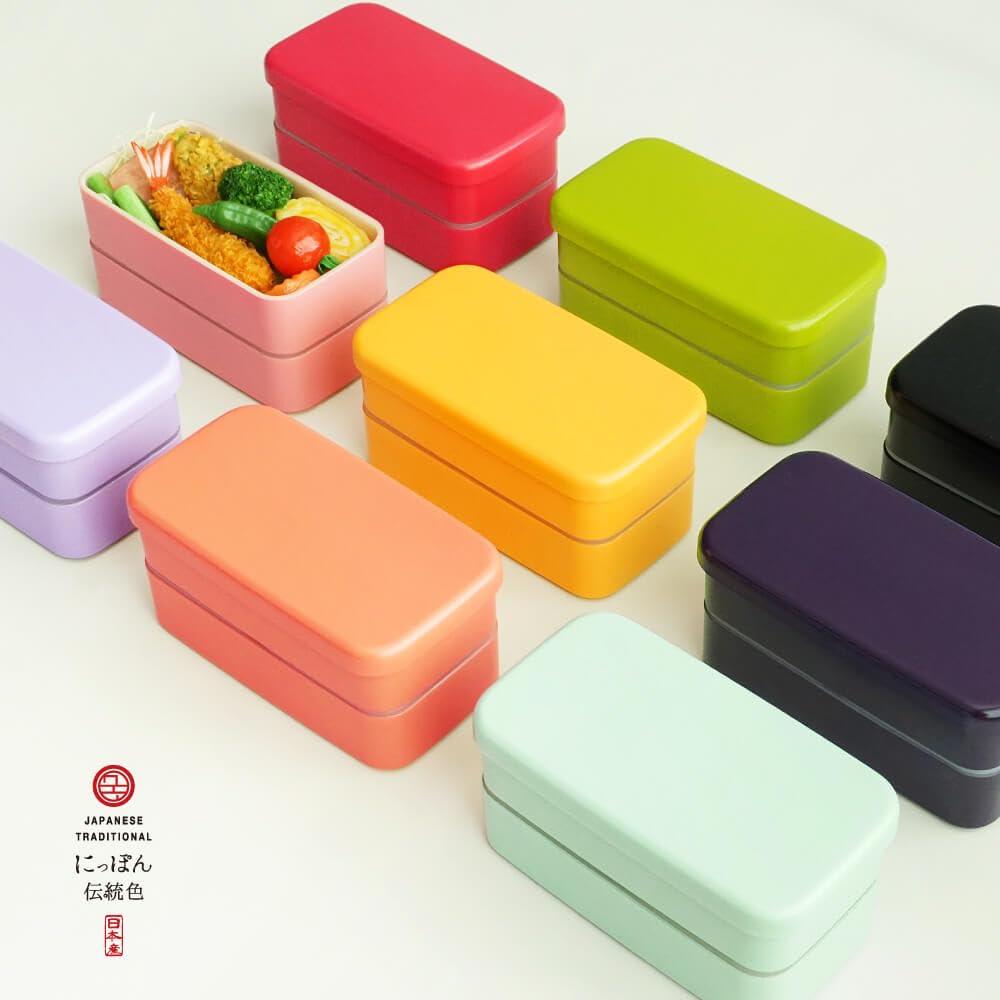
[Compact] It is compact at 500ml, so it doesn't take up much space and can be stored in a bag.
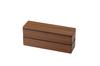
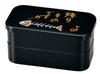
[Size] Approx. 5.5cm high x 14.5cm wide x 10cm long
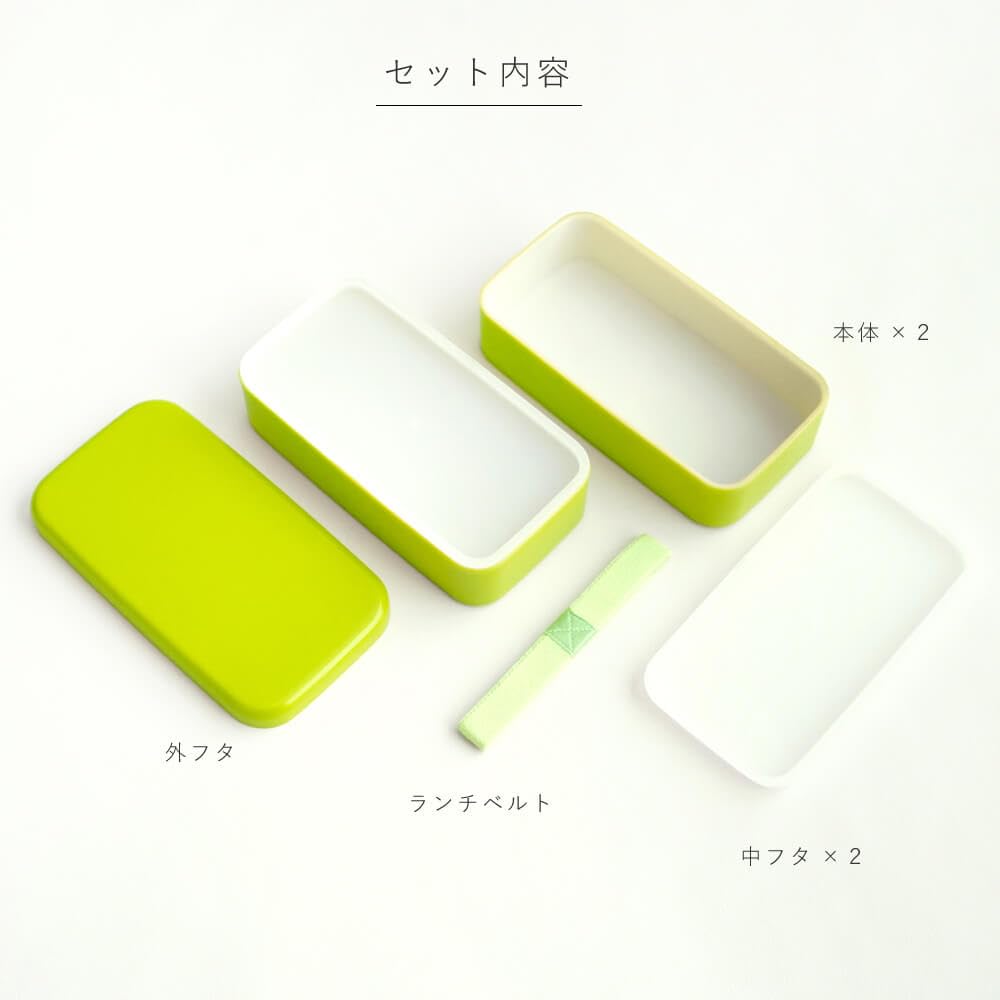
[Material] Body & Core: ABS, Inner Lid: PE PN-2272
[Specifications] Microwave and dishwasher safe! Lunch belt included. Made in Japan.
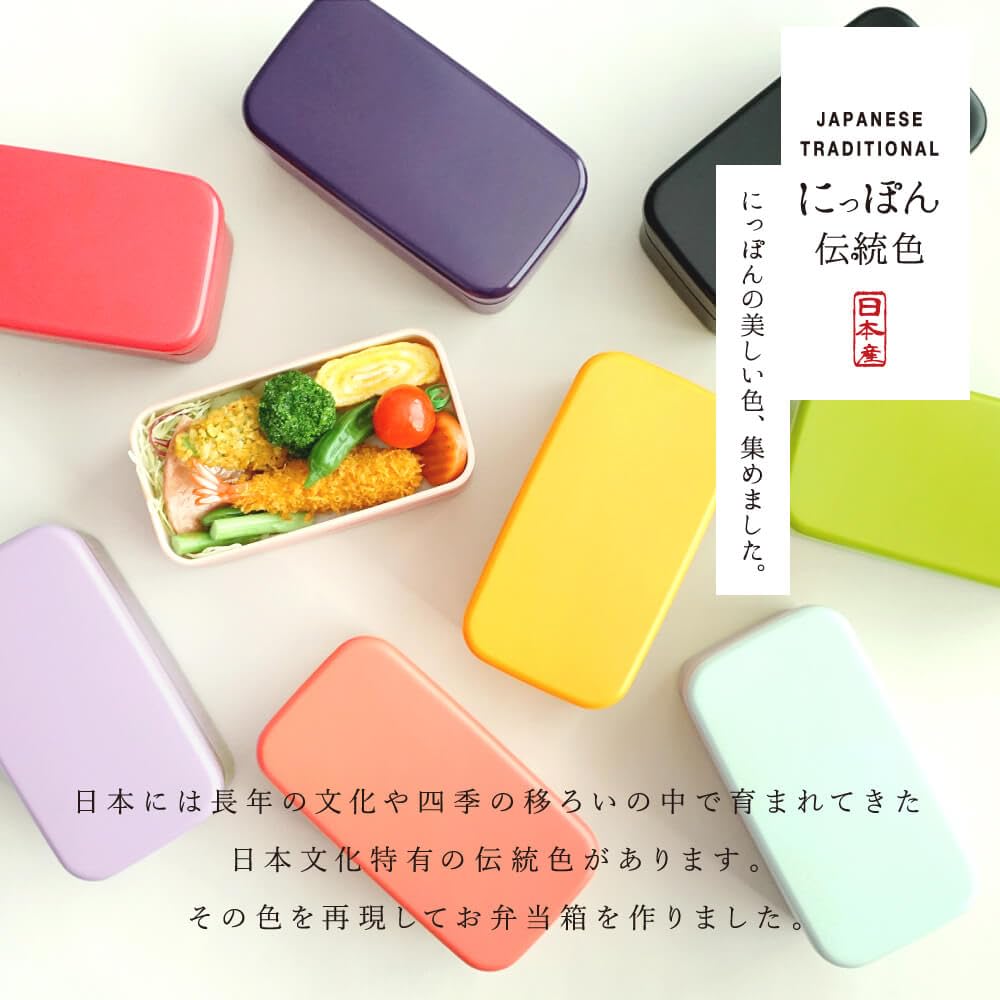
[Traditional colors]
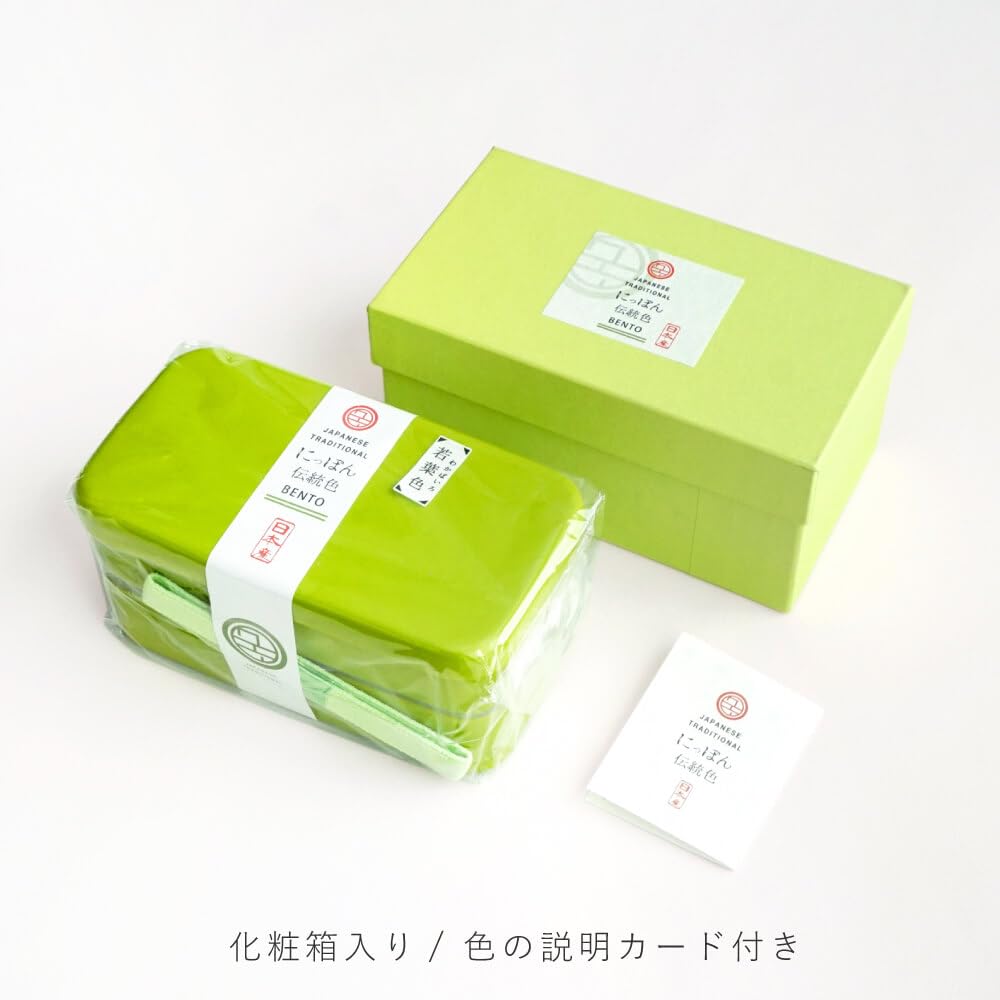
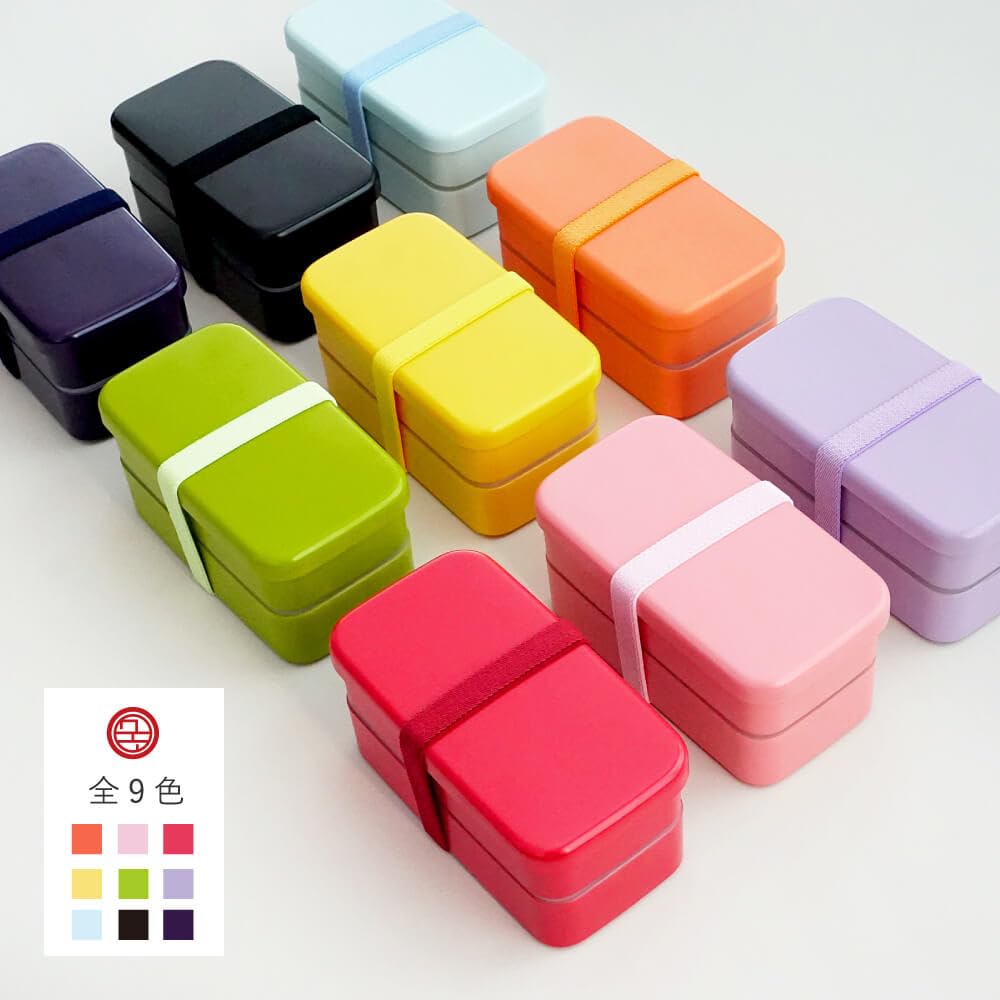
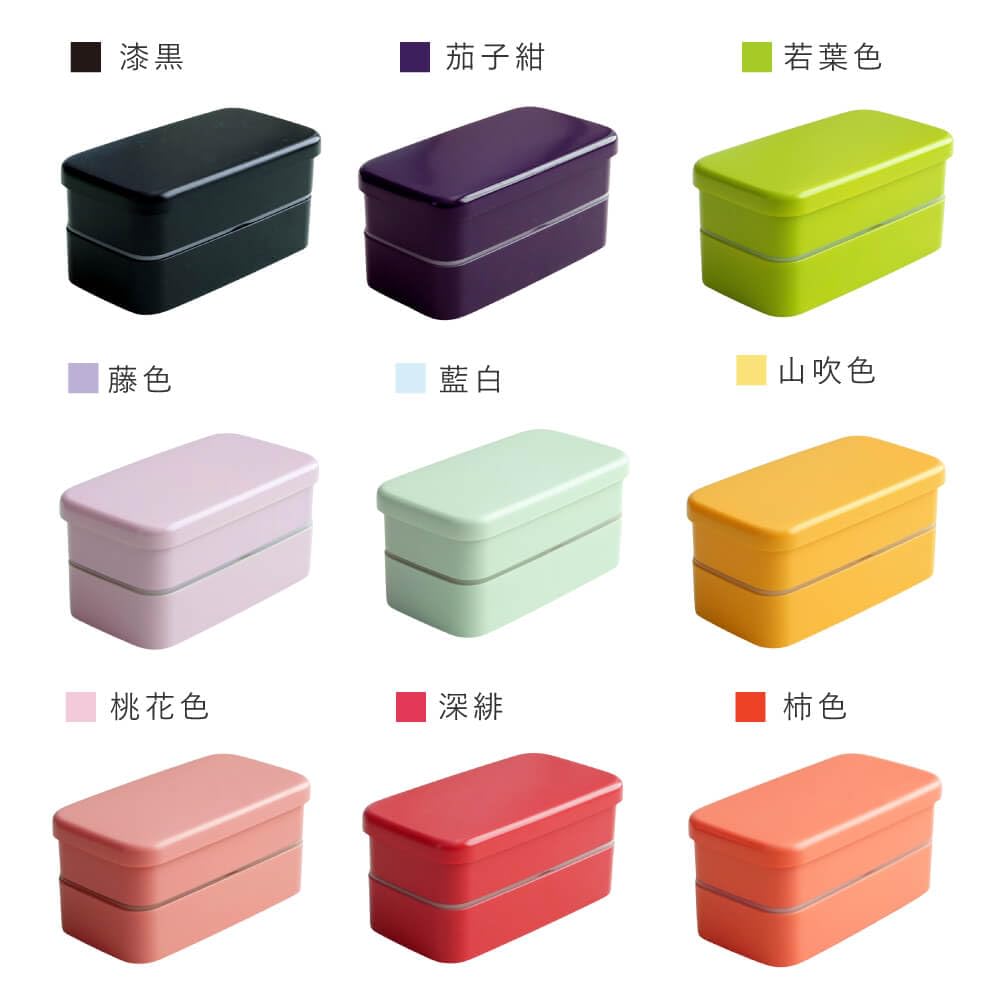
We have focused on using Japanese-made materials in every detail, from the main raw materials to the painting techniques. The theme is "Japanese colors, Japanese products." There are traditional colors unique to Japanese culture that have been nurtured over many years of culture and the changing seasons. Each color has been given a name to represent the various expressions of nature that can be seen throughout the year in each of the four seasons.